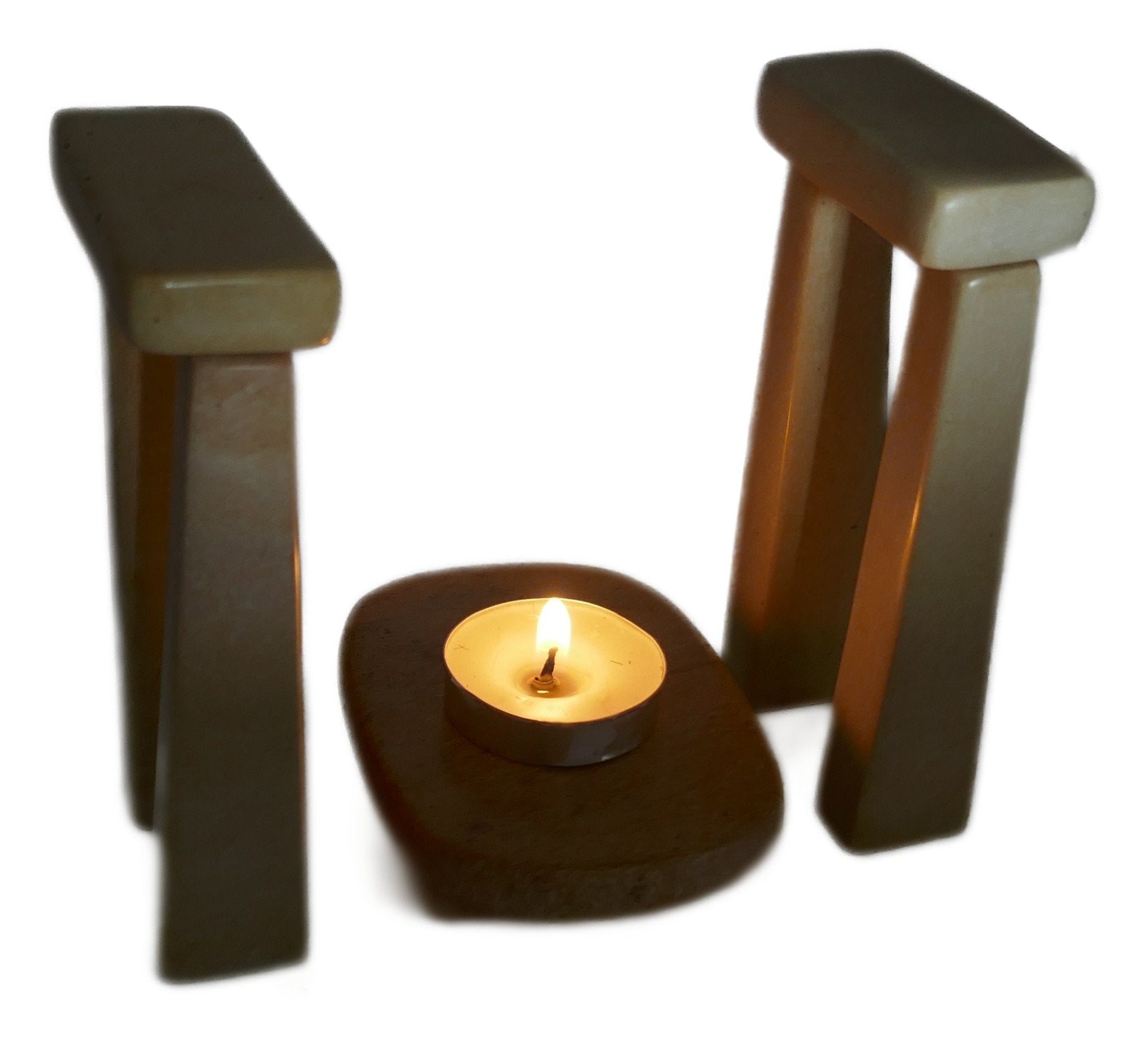
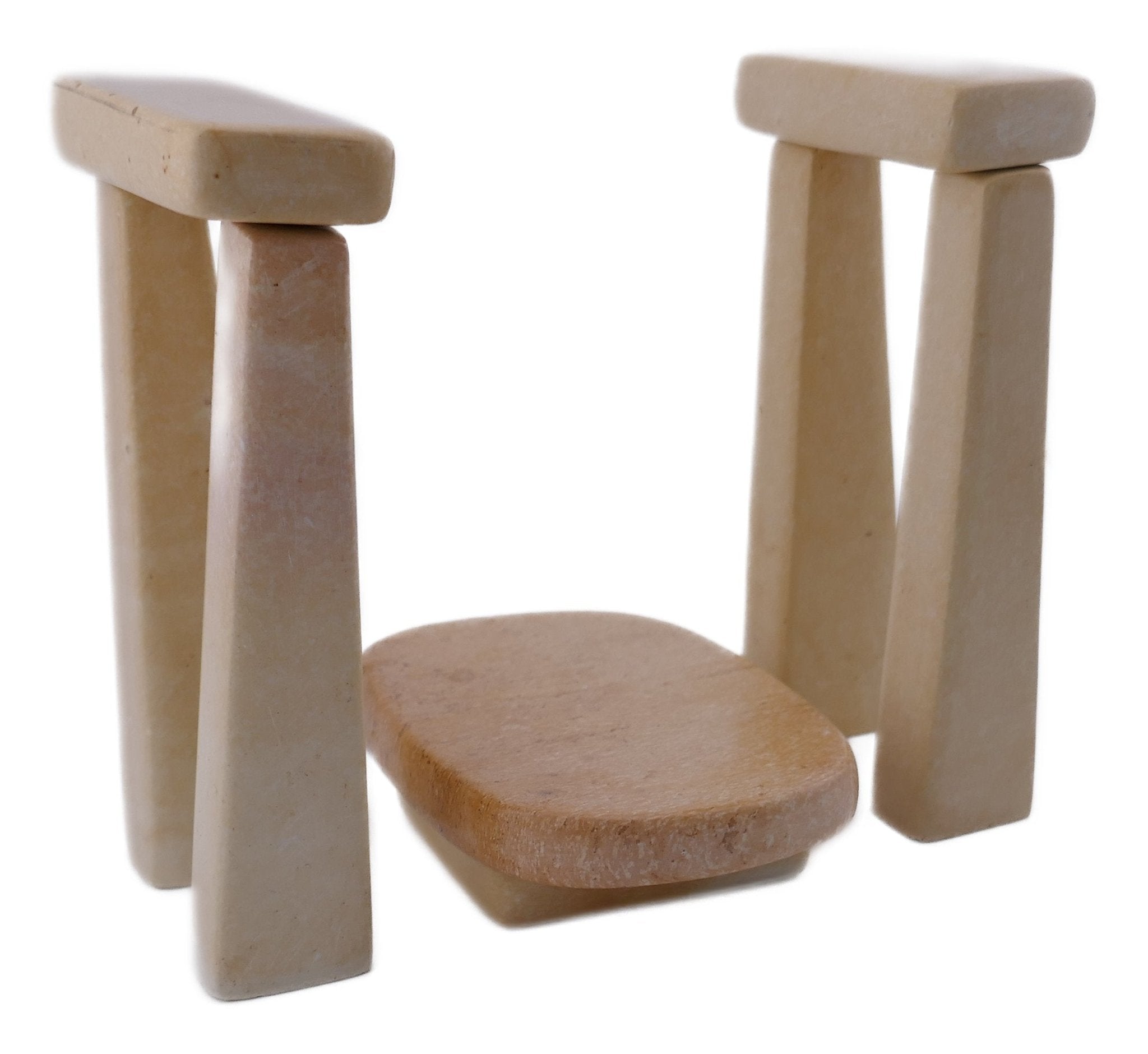
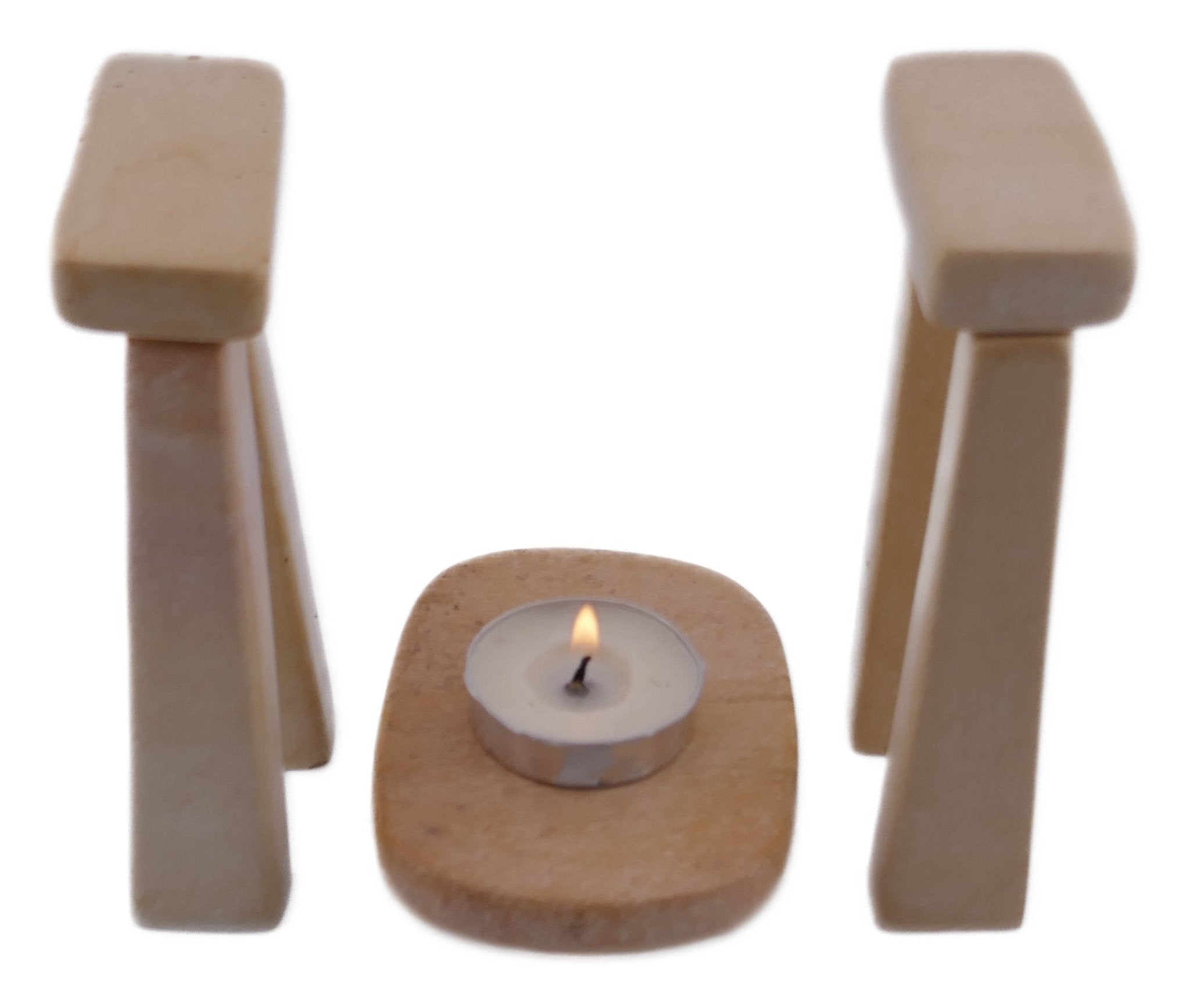
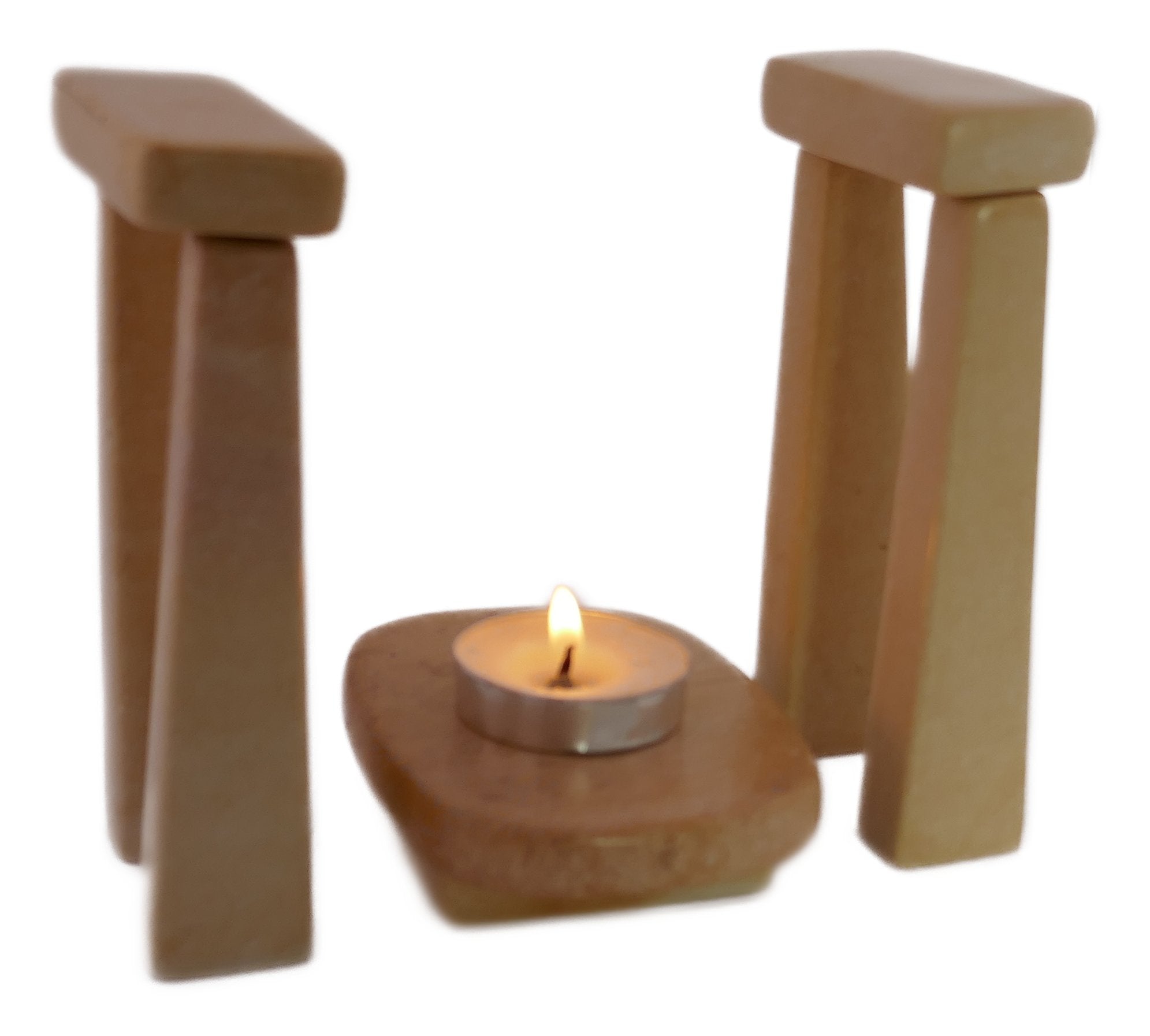
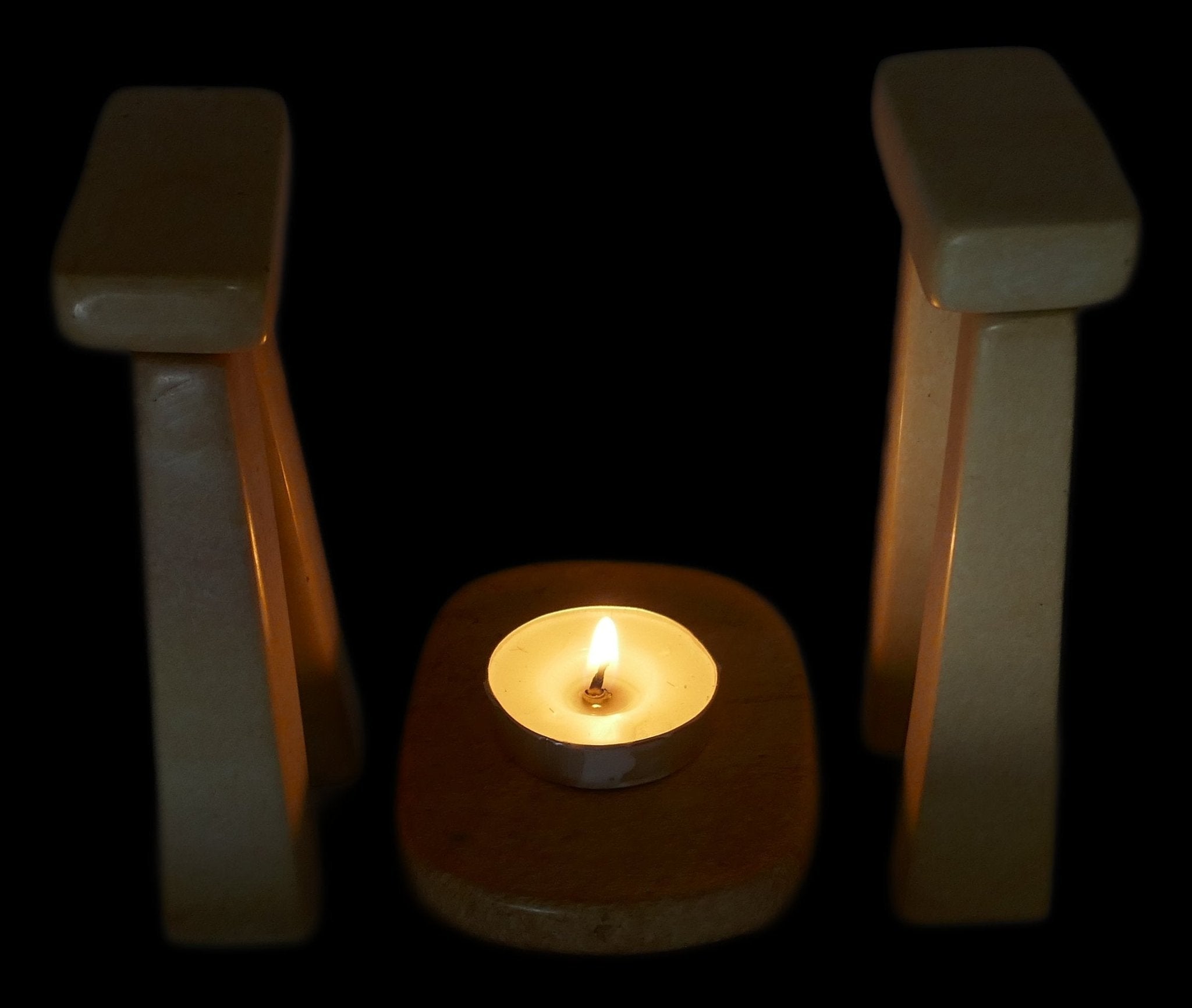
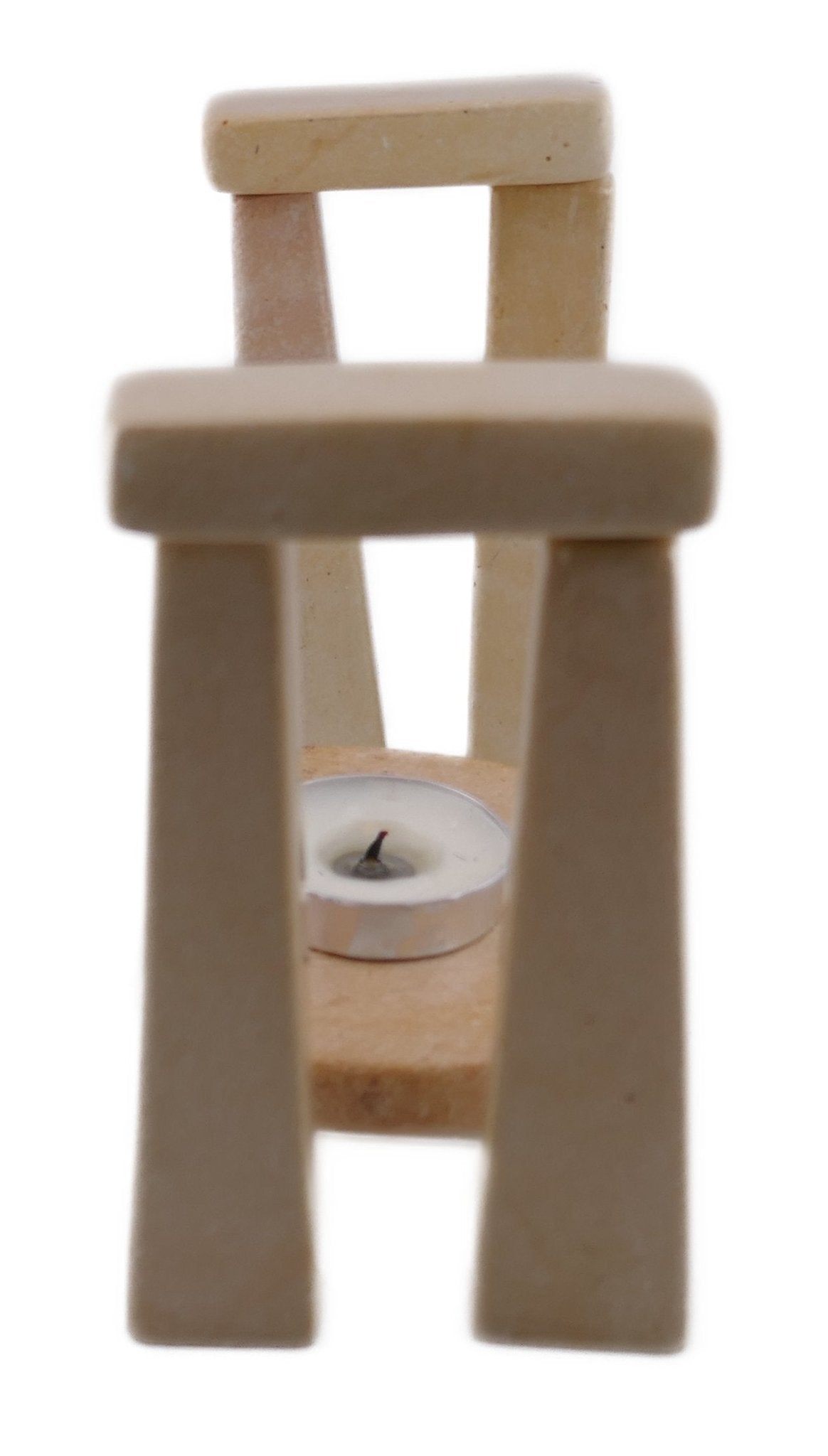
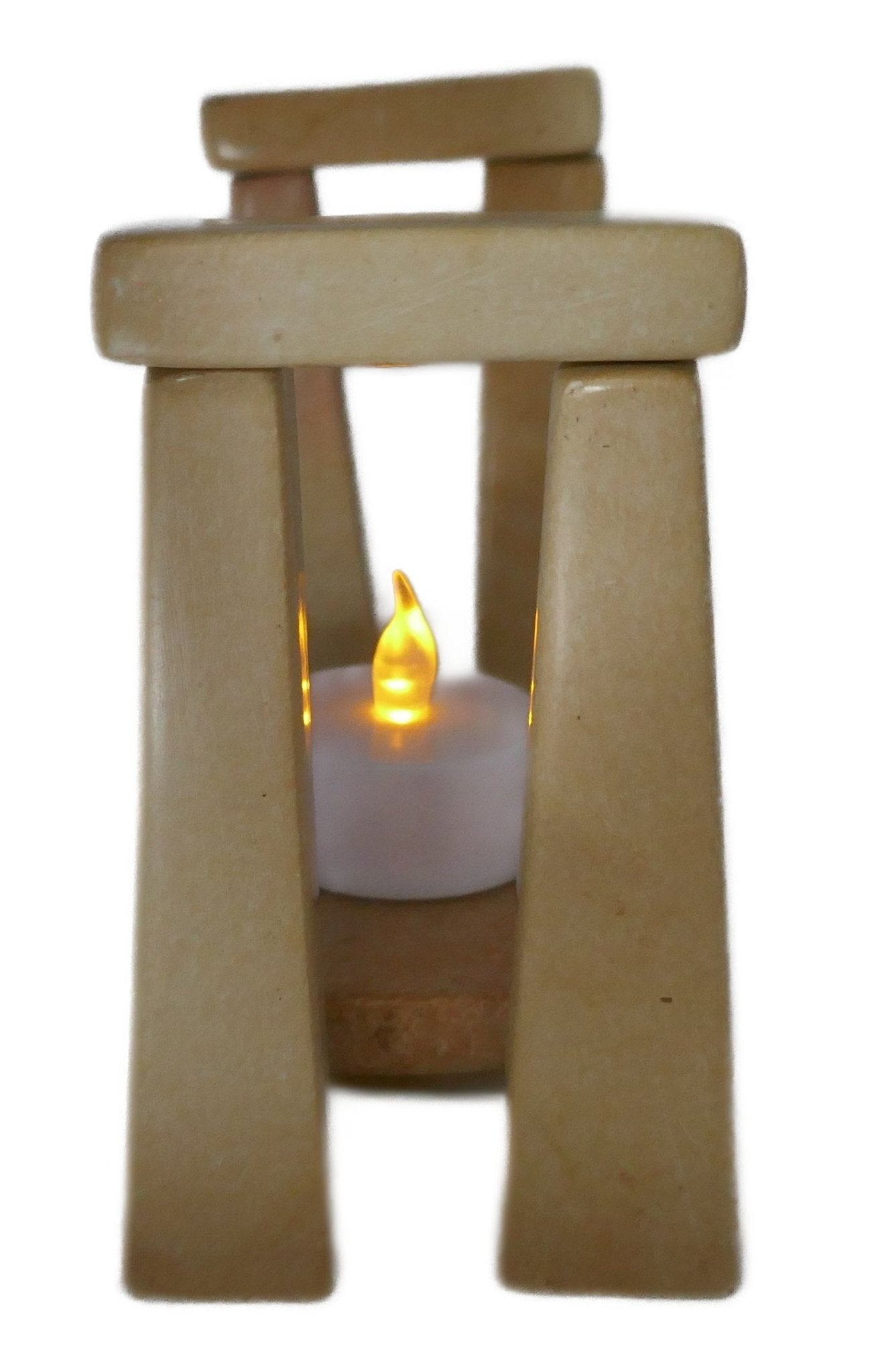
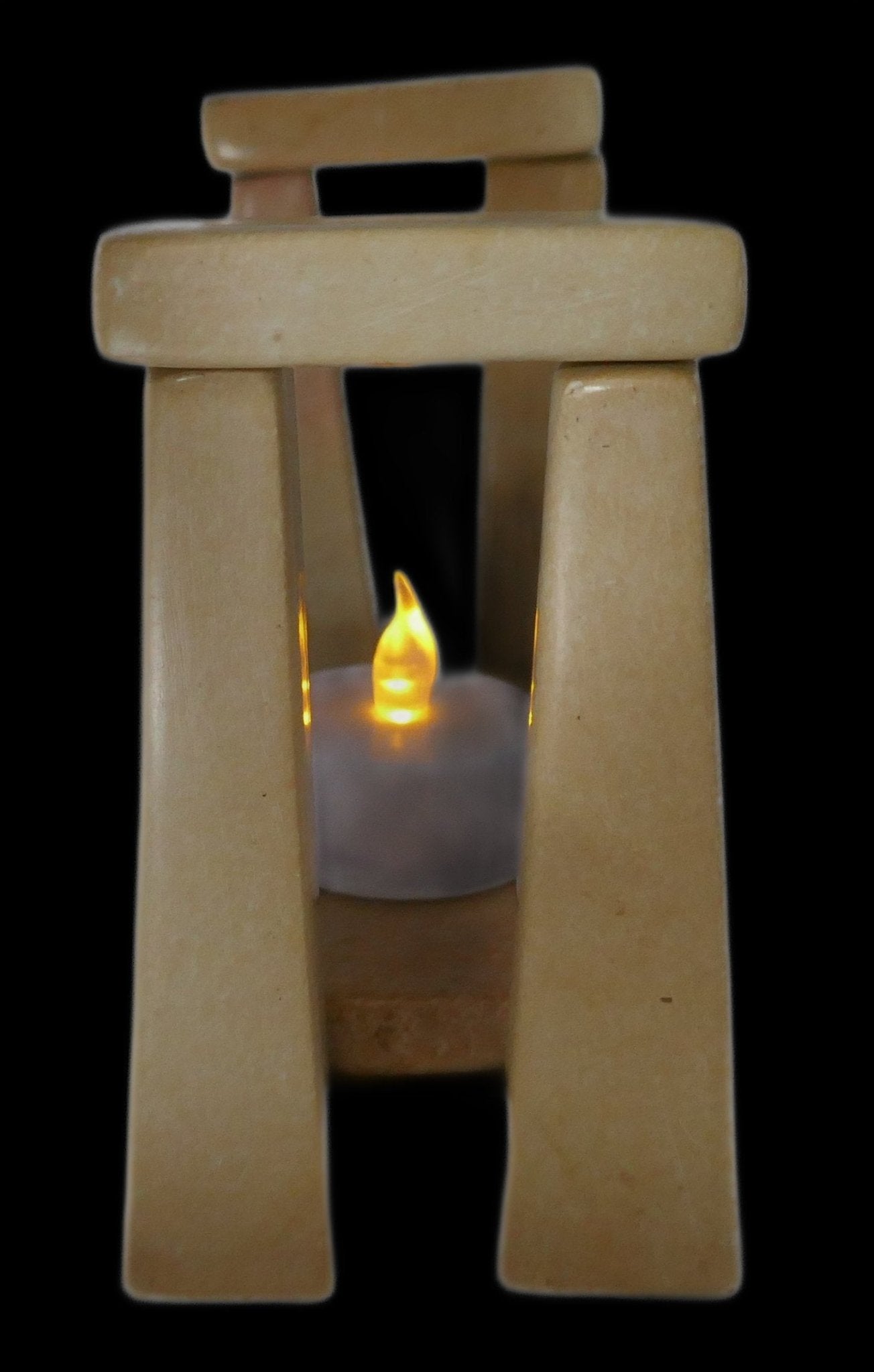


Stonehenge Stone Circle Tealight Holder // 8 pieces hand made 11cm // with tealight & Storycard
Select quantity
Stonehenge Stone Circle Tealight Holder // 8 pieces hand made 11cm // with tealight & Storycard
Description
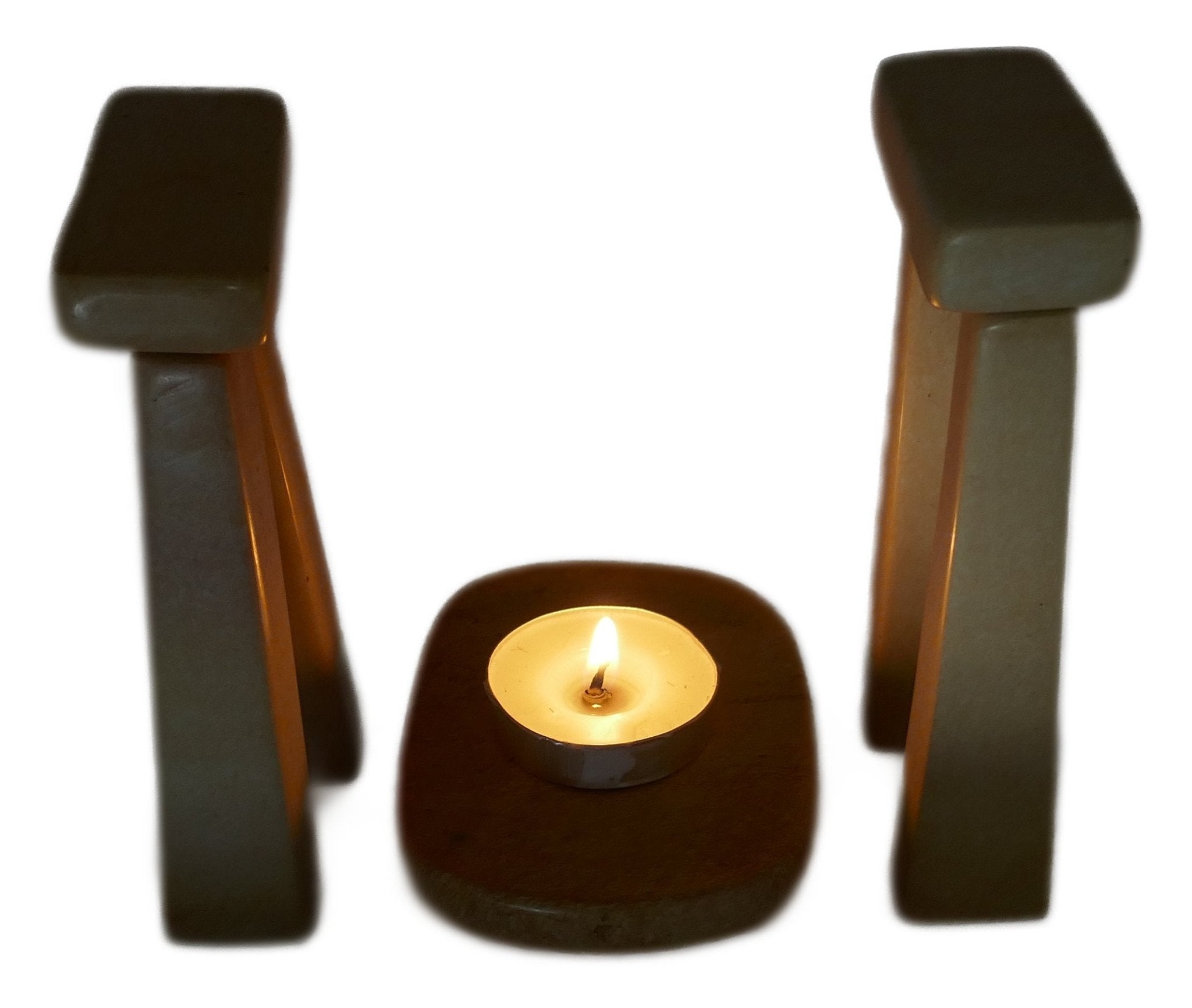
🪨 Echoing Stonehenge’s ancient silhouette, this handmade stone tealight sculpture features upright pillars encircling a central flame recess. The design invokes mystery, ceremony, and cosmic alignment. As the light flickers within, shadows dance across the stones—creating a timeless ambience that blends prehistoric reverence with modern serenity and elemental warmth.
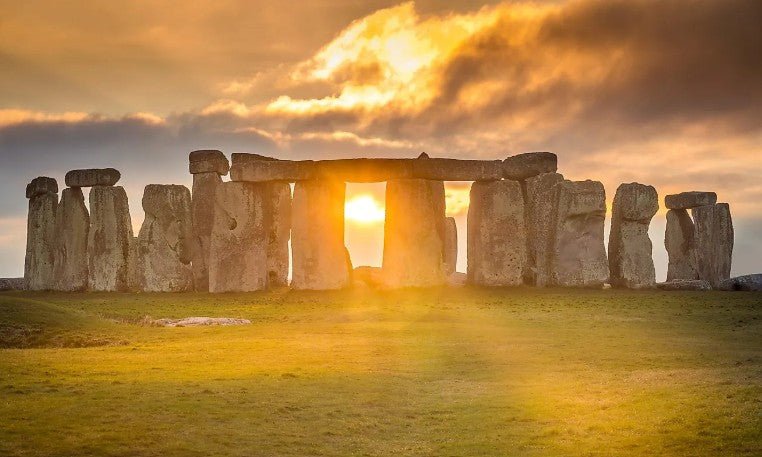
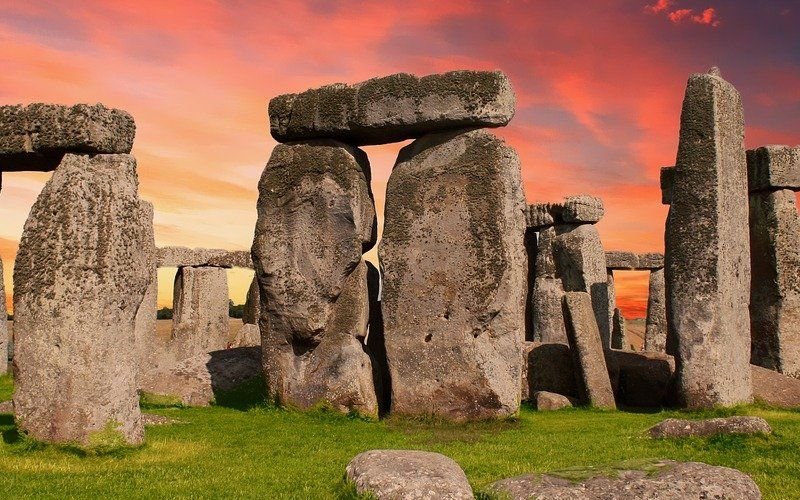
Stonehenge is a prehistoric stone circle on Salisbury Plain, Wiltshire, England, built over 4,500 years ago. Its massive sarsen stones form a mysterious architectural marvel, aligned with solstices. The monument’s exact purpose—ritual, burial, or astronomical—remains debated. It continues to intrigue archaeologists, spiritual seekers, and tourists from around the globe.
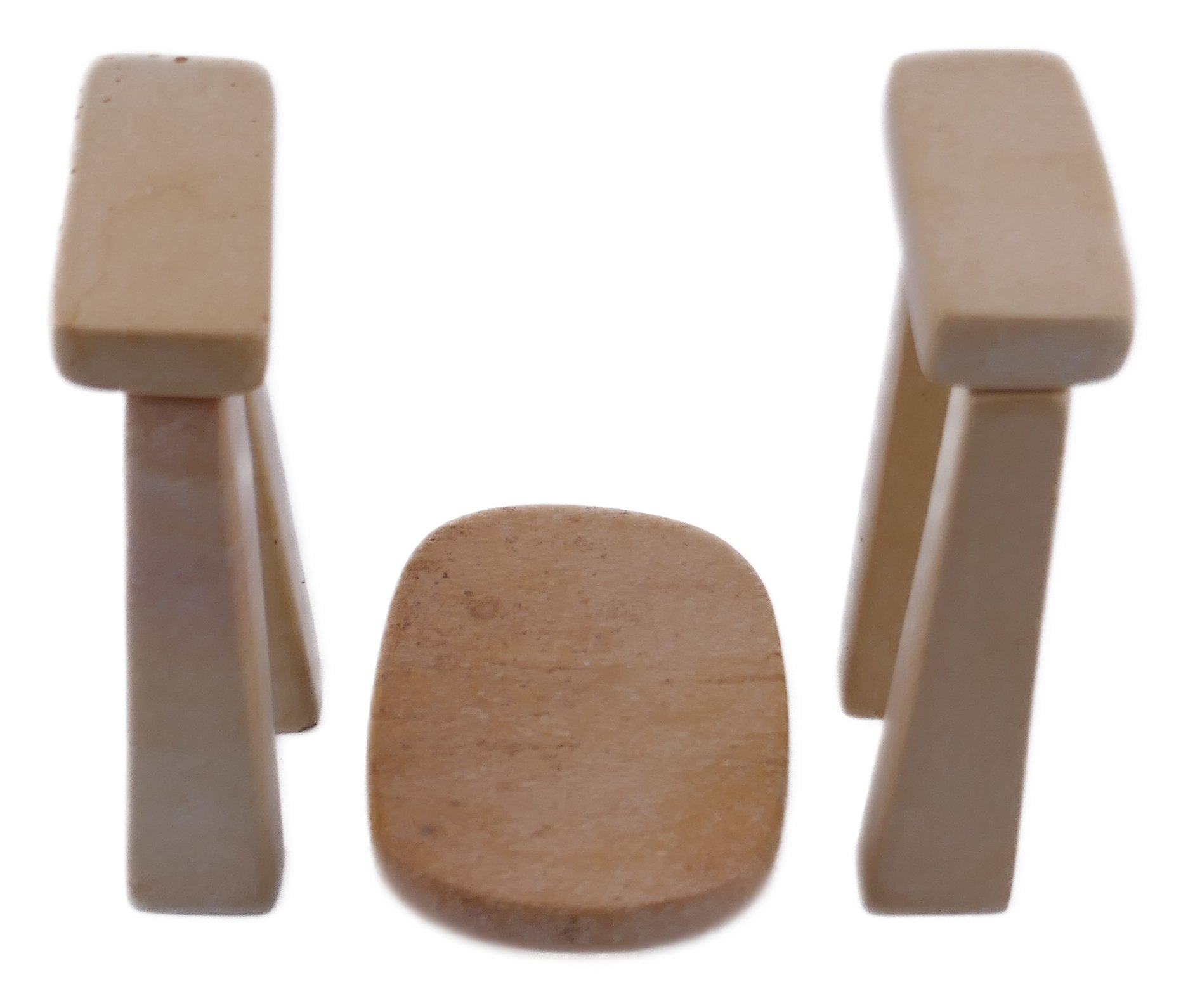
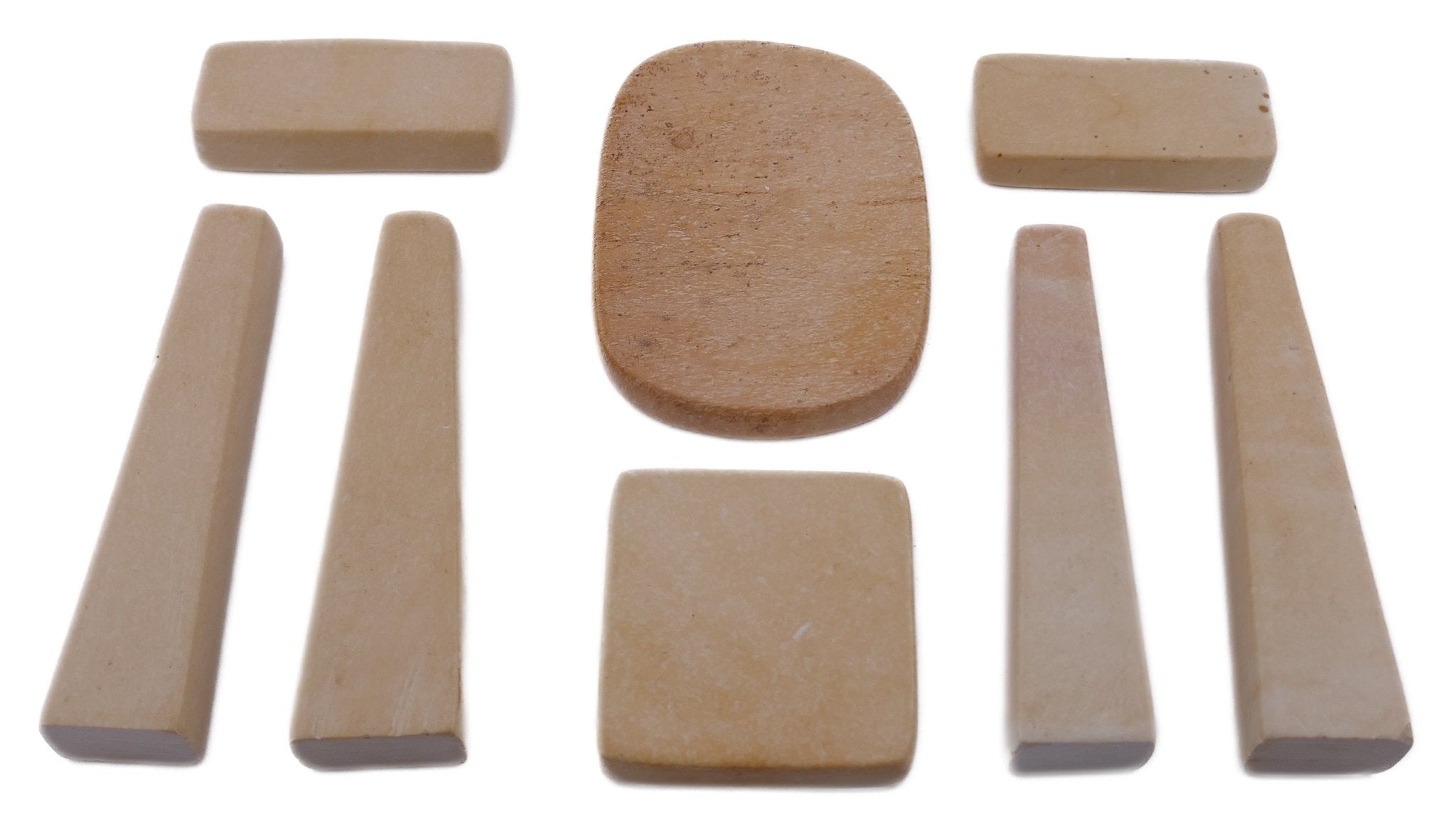
There are 8 pieces of stone which are placed together to create two standing stones and an alter for the flame to be lit. A small piece of double-sided tape is provided to secure the stone horizontals to the uprights.
11 x 10cm
A single tealight candle is included so you can enjoy the light straight away!
If you would like additional candles, natural & battery tealight candles & standard tall candles are available to add to your order in the Lighting section (this section) of our store.
🪨 A handmade stone item feels rooted—heavy, solid, and authentically of the earth. Unlike manufactured pieces, it carries the artisan’s intent and the natural rawness of its origin. Each curve and weight speaks of permanence, meaning, and craftsmanship that machines can’t replicate. It’s not just made—it’s unearthed and shaped.
Product details
-
This is a handcrafted item created from a single piece of soapstone
-
Made in Kisii, by the Tabaka hills of Western Kenya, Africa.
Description
🪨 Echoing Stonehenge’s ancient silhouette, this handmade stone tealight sculpture features upright pillars encircling a central flame recess. The design invokes mystery, ceremony, and cosmic alignment. As the light flickers within, shadows dance across the stones—creating a timeless ambience that blends prehistoric reverence with modern serenity and elemental warmth.
Stonehenge is a prehistoric stone circle on Salisbury Plain, Wiltshire, England, built over 4,500 years ago. Its massive sarsen stones form a mysterious architectural marvel, aligned with solstices. The monument’s exact purpose—ritual, burial, or astronomical—remains debated. It continues to intrigue archaeologists, spiritual seekers, and tourists from around the globe.
There are 8 pieces of stone which are placed together to create two standing stones and an alter for the flame to be lit. A small piece of double-sided tape is provided to secure the stone horizontals to the uprights.
11 x 10cm
A single tealight candle is included so you can enjoy the light straight away!
If you would like additional candles, natural & battery tealight candles & standard tall candles are available to add to your order in the Lighting section (this section) of our store.
🪨 A handmade stone item feels rooted—heavy, solid, and authentically of the earth. Unlike manufactured pieces, it carries the artisan’s intent and the natural rawness of its origin. Each curve and weight speaks of permanence, meaning, and craftsmanship that machines can’t replicate. It’s not just made—it’s unearthed and shaped.
How this item was made
🪨 The Art of Kisii Soapstone Carving in Kenya
In the lush Tabaka Hills of Kisii County, southwestern Kenya, soapstone carving is more than a craft—it’s a cultural legacy passed down through generations. Each handmade item reflects the skill, patience, and pride of local artisans.
⛏️ 1. Quarrying the Stone
- Soapstone, locally known as Kisii stone, is mined by hand using basic tools like machetes, chisels, and hammers.
- The stone is soft due to its high talc content, making it ideal for carving.
🧱 2. Preparing the Raw Blocks
- Extracted blocks are transported to workshops, often within the artisan’s home or community space.
- The stone is cut into manageable sizes depending on the intended item—be it a bowl, figurine, or sculpture.
🔨 3. Carving the Shape
- Artisans use hand tools—files, blades, and even household items like screwdrivers—to sculpt the stone.
- The initial form is roughed out, then refined with intricate details, often inspired by nature, animals, or cultural motifs.
💧 4. Sanding and Polishing
- Wet sanding with water and grinding stones smooths the surface and brings out the stone’s natural luster.
- Some pieces are polished to a high gloss; others are left matte for a rustic feel.
🎨 5. Painting and Etching (Optional)
- Many items are hand-painted with vibrant African designs or etched with symbolic patterns.
- Natural dyes or commercial paints may be used, depending on the artisan’s style.
🖐️ 6. Final Touches
- Each piece is inspected for balance, finish, and artistic integrity.
- Items are often signed or marked by the artisan, celebrating their personal touch and heritage.
Kisii soapstone isn’t just beautiful—it’s deeply meaningful. It supports local economies, preserves ancestral knowledge, and connects global buyers to the heart of Kenyan artistry.
How to care for your soapstone item
🧼 Caring for Soapstone: Simple, Effective, and Long-Lasting
Soapstone is naturally non-porous, heat-resistant, and durable—but it does benefit from a little TLC to keep it looking its best, especially if it’s a handmade item like those from Kisii, Kenya.
🧽 Regular Cleaning
- Use warm water and mild dish soap with a soft cloth or sponge.
- Avoid abrasive scrubbers or harsh chemicals like bleach or vinegar.
- Dry thoroughly to prevent water spots.
🪔 Oiling for Richness
- Apply food-safe mineral oil or beeswax to deepen the stone’s color and enhance its natural patterns.
- Rub in with a soft cloth, let sit for 30 minutes, then buff off excess.
- Reapply every few months or when the surface looks dry or uneven.
🛠️ Handling Scratches
- Minor scratches can be gently sanded with fine-grit sandpaper (start with 220 and finish with 400).
- After sanding, clean and re-oil the area to restore its finish.
🔥 Heat & Impact Precautions
- While soapstone resists heat, avoid sudden temperature changes—don’t place hot items directly on cold surfaces.
- Don’t drop heavy objects on it; it’s soft and can chip.
🧃 Stain Prevention
- Wipe up spills quickly, especially acidic substances like lemon juice or wine.
- Use coasters or placemats under drinks and dishes.
Soapstone ages gracefully, developing a patina that tells its story and a little care goes a long way.