🎨 Maasai Handmade Art: A Living Tradition of Color, Symbolism, and Skill
The Maasai people of Kenya and Tanzania are celebrated for their vibrant handmade art, especially their beadwork, leatherwork, and wood carvings. These crafts are more than decorative—they’re deeply woven into Maasai identity, storytelling, and social customs.

🧵 Beadwork: The Heart of Maasai Art
- Materials: Traditionally made from clay, wood, and seeds; now mostly glass beads introduced through trade.
- Technique: Beads are strung onto leather or twine in intricate patterns by women, often in communal settings.
- Symbolism:
- Red = bravery and unity
- Blue = sky and water
- Green = land and health
- White = purity
- Purpose: Worn during ceremonies, used to indicate age, marital status, and social rank.

🪵 Wood Carving & Leatherwork
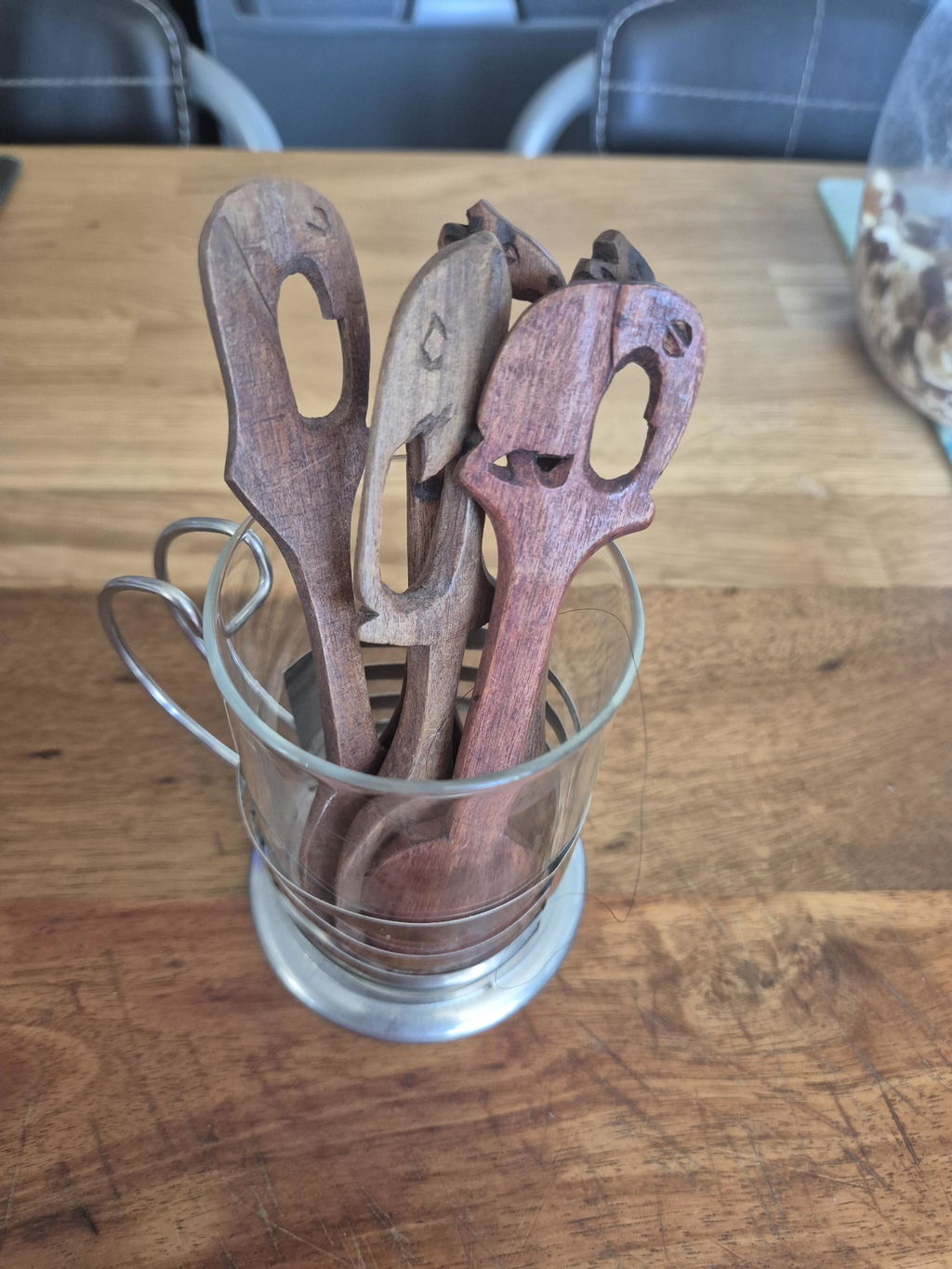
- Wood: Used to create tools, utensils, and ceremonial items like masks and figurines.
- Leather: Tanned and dyed to make belts, sandals, and shields, often decorated with beads and metal accents.
- Tools: Simple hand tools like knives, chisels, and engraving blades.
 🖌️ Design & Meaning
- Geometric patterns: Represent cosmology and spiritual beliefs.
- Animal motifs: Reflect the Maasai’s connection to nature—especially cattle, lions, and elephants.
- Color combinations: Carefully chosen to convey messages and tell stories.
🧡 Cultural Role
- Art is passed down through generations, especially from mothers to daughters.
- Used in rites of passage, weddings, and community celebrations.
- Increasingly a source of economic empowerment, especially for women selling crafts locally and internationally.
Maasai art isn’t just made—it’s lived. Every bead, stitch, and carving carries meaning. If you’d like to explore specific pieces like warrior necklaces or ceremonial masks.